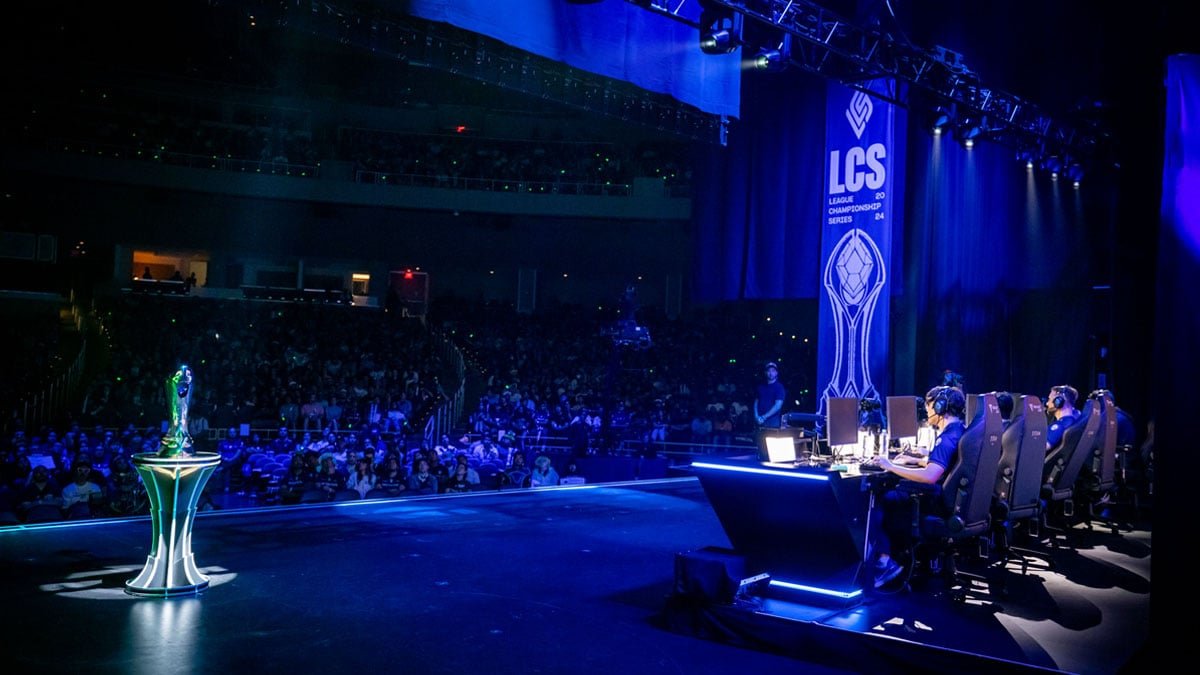
If you've been wondering, "why is LCS ending?", you're not alone. It's a question on the minds of many League of Legends esports fans. The truth is, the LCS as we know it is indeed coming to an end, but this isn't a full stop. It's more like a strategic pause before a major evolution. Rather than disappearing completely, the LCS is being integrated into a larger, pan-American League of Legends ecosystem.
At a glance:
- The LCS is being replaced by a new pan-American league in 2025.
- This new league will merge teams from the LCS, CBLOL (Brazil), and LLA (Latin America).
- The goal is to create a more competitive and exciting experience for fans.
- The LCS and CBLOL will each retain six teams in the new structure.
- A new playoff system will determine which teams qualify for the World Championship.
The End of an Era, The Beginning of a League of Americas
For years, the League of Legends Championship Series (LCS) has been the premier League of Legends competition in North America. We've seen incredible plays, nail-biting finishes, and regional rivalries that have kept us glued to our screens. FlyQuest's historic victory over Team Liquid on September 7 is a testament to that. But, like all things, the LCS is evolving.
Riot Games is ushering in a new era of League of Legends esports in the Americas. This isn't a cancellation, but rather a strategic restructuring designed to elevate the level of competition and create a more unified and engaging experience for fans across the continent.
A Pan-American Vision: What's Changing?
The biggest change is the introduction of a new pan-American league. Starting in 2025, teams from the LCS, Campeonato Brasileiro de League of Legends (CBLOL), and Liga Latinoamérica (LLA) will compete under a single league banner. Although the title has not yet been revealed, this combined league aims to foster greater rivalries and opportunities for growth.
Instead of separate regional competitions, the Americas will be divided into two conferences: North and South. The LCS and CBLOL will each contribute six teams to these conferences. Riot’s on the pan-Americas merger stated the LCS and CBLOL would retain six teams from the current leagues, with LLA securing one spot in each conference and a final “guest” spot dedicated to promotion and relegation through the tier-two system (which is to be revamped heading into next split).
This change offers several potential benefits:
- Increased competition: By pooling talent from across the Americas, the new league will create a more challenging environment for teams, pushing them to improve and innovate.
- Greater fan engagement: A unified league will create new rivalries and storylines that resonate with fans across the continent, fostering a stronger sense of community.
- Pathways for emerging talent: With the inclusion of LLA teams and a renewed focus on tier-two competition, the new league will provide more opportunities for emerging talent to break into the professional scene.
Understanding the New League Structure
So, how will this new pan-American league actually work? Let's break down the key components:
- Conferences: The league will be divided into North and South conferences, each with a mix of LCS, CBLOL, and LLA teams.
- Team Selection: The selection process for the CBLOL's six representatives is already underway, with September 9 being a key date for the announcement of the chosen teams. The LCS teams that are not selected may have to sell their spots if they do not move to the new league.
- Cross-Conference Play: The league will feature a cross-conference playoff system, allowing teams from North and South to compete against each other for a chance to qualify for the World Championship.
- World Championship Qualification: A third split will be introduced to determine which teams from the pan-American league will represent the region at the World Championship.
This structure aims to balance regional representation with overall competitiveness, ensuring that the best teams from across the Americas have the opportunity to compete on the global stage.
Why the Change? Addressing the Underlying Issues
The decision to restructure the LCS and create a pan-American league wasn't made in a vacuum. Riot Games has likely considered several factors, including:
- LCS Viewership Trends: LCS Viewership Trends Analyzed reveal that viewership has fluctuated over the years, impacting revenue and overall sustainability. The trend hasn't always been upward, and the new league structure could be an attempt to revitalize interest.
- Global Competitiveness: In recent years, North American teams haven't always performed as well on the international stage as their counterparts from other regions. By increasing the level of competition within the Americas, Riot Games hopes to improve the region's overall performance at the World Championship.
- Economic Viability: Running a professional esports league is expensive. By consolidating resources and creating a more unified market, Riot Games may be able to create a more sustainable business model for League of Legends esports in the Americas.
- Co-streaming Impact: Official League of Legends broadcasts take up just a fraction of actual viewership, with co-streamers like Ibai, Caedrel, Kameto, and others taking up the majority of real estate when it comes to matches getting viewed. Many co-streamers will go out of their way to click away from ad breaks on the broadcast, meaning that taking up ad space on any Riot event is much less valuable than the massive viewership would lead you to believe.
The Future of LCS Players and Teams
The restructuring raises important questions about the future of LCS players and teams. What will happen to players who aren't selected for the new league? Will teams be forced to relocate or disband?
While many details are still being worked out, Riot Games has stated that it is committed to supporting players and teams through this transition. This may include providing assistance with relocation, offering opportunities to compete in other leagues, and working to ensure a smooth transition for all stakeholders.
It's important to remember that the end of the LCS as we know it doesn't necessarily mean the end of opportunities for North American players. The new pan-American league will still provide a platform for talented individuals to showcase their skills and compete for a chance to reach the World Championship.
Common Questions About the End of LCS
Let's tackle some of the most common questions surrounding the LCS restructuring:
Q: Is League of Legends dying?
No. There aren’t any esports that have thrived for so long on a global scale quite like League of Legends has. While the LCS is changing, the game itself remains incredibly popular, and the new pan-American league is designed to ensure the long-term health and success of League of Legends esports in the region.
Q: Will LCS teams still exist?
Yes, but in a different form. Six teams from the current LCS will be selected to participate in the new pan-American league. These teams will likely undergo some roster changes as they adapt to the new competitive landscape.
Q: What happens to the LLA teams?
The LLA will be integrated into the new league, with one team from the region competing in each conference. This will provide LLA teams with greater exposure and opportunities to compete against top-tier talent.
Q: When will we know more details about the new league?
Riot says more details on “the full, long-term global strategy” for League esports and the LCS are coming in early 2024.
Moving Forward: Embracing the Change
The end of the LCS marks the conclusion of an era, but it also represents an opportunity for growth and innovation. By embracing the changes and working together, players, teams, and fans can help create a more vibrant and competitive League of Legends ecosystem in the Americas.
The future of professional League of Legends in the Americas looks promising with the new pan-American league set to debut in 2025. While the transition may be challenging, the potential benefits – increased competition, greater fan engagement, and pathways for emerging talent, make the long-term future of the sport in the region very bright.
Think of this shift as a level-up. It's a chance for the entire region to become stronger, more exciting, and more globally competitive. It may take time to adjust, but the potential rewards are well worth the effort.